Why Do My Glasses Keep Sliding Down? Causes and Professional Fixes
Discover why your glasses keep sliding down and learn professional fixes, from nose pad and temple adjustments to choosing a better-fitting frame.
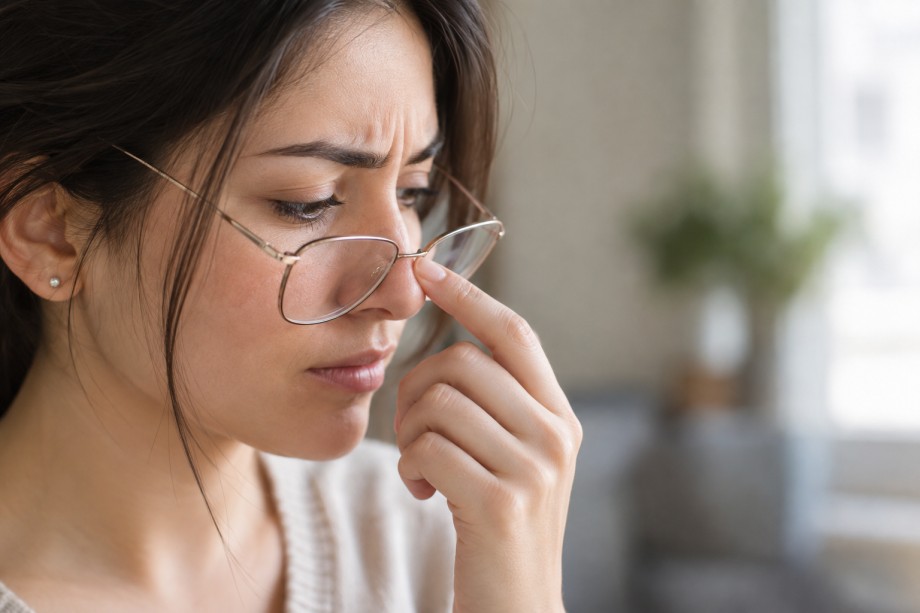
There’s nothing more annoying than having to push your glasses back up your nose every few minutes. You adjust them while reading, walking, working at a computer, or talking to someone—and somehow, they end up sliding down again. If this happens regularly, the problem usually isn’t that you are wearing your glasses incorrectly. More often, the fit, frame, nose pads, temple arms, or even your skin conditions may be contributing to the problem. The good news is that most slipping glasses can be fixed without buying an entirely new pair. Glasses are designed to sit in a specific position on your nose and ears. When the frame does not fit correctly or something changes over time, gravity gradually pulls the glasses downward. Here are some of the most common reasons. A frame that is wider than your face may not grip the sides of your head properly. Instead of staying centered, the temples can gradually move outward, allowing the glasses to slide toward the tip of your nose. This is especially common when someone chooses a frame based mainly on its appearance rather than its measurements. A properly fitted frame should feel secure without squeezing your head. Glasses with adjustable nose pads can sometimes slip because the pads have moved out of position. The pads may become: Too far apart Too close together Angled incorrectly Loose from regular use Worn or damaged A professional optical adjustment can often reposition the pads so the frame sits more securely. Not every frame shape works well with every nose shape. If the bridge of the frame is too wide, the glasses may have little surface contact with your nose. As a result, they can gradually move downward. This is one reason frame fit matters just as much as frame style when choosing new eyeglasses. Your skin naturally produces oil, and sweat can increase during exercise, outdoor activities, or hot weather. That moisture can reduce friction between your skin and the frame. The result? Your glasses begin their slow journey down your nose. Regularly cleaning your lenses and frame can help. Use an eyeglass-safe cleaner and a clean microfiber cloth rather than your shirt or a paper towel. For people living in warm and humid areas, including Houston, this can be a particularly noticeable issue. The temple arms—the parts of the glasses that extend over your ears—help keep the frame in place. Over time, repeated opening and closing can cause the hinges to loosen. The temples may then sit too far away from your head instead of providing enough support. A simple professional adjustment may restore the original fit. Even a small change in frame alignment can affect how your glasses sit. Your frame may become distorted after: Sleeping with your glasses on Accidentally sitting on them Dropping them Keeping them loose in a bag Frequently placing them on top of your head You may not notice the bend immediately, but you might notice that your glasses suddenly feel uneven or keep sliding. Usually, a prescription change does not directly cause your glasses to slide down. However, getting new lenses can sometimes change the balance or weight distribution of the frame. For example, thicker lenses or a different lens material may make the frame feel slightly different on your face. If your glasses started slipping after a new prescription was installed, have the frame checked. The issue may be related to fit or adjustment rather than the prescription itself. A professional optical adjustment is often the best place to start. An optician can examine how the frame sits on your face and make small changes to improve stability. Depending on the frame, they may: The pads can be repositioned to provide better contact with the bridge of your nose. The arms can be reshaped slightly so they sit more securely around your ears and the sides of your head. Loose screws or hinges can allow the frame to move excessively. Tightening them can improve stability. If one side sits higher than the other or the frame is slightly twisted, an optician can realign it. Old or damaged nose pads may become less effective over time. Replacing them can make a noticeable difference. Anti-slip nose pads can be useful for people whose glasses repeatedly slide despite having a reasonably good frame fit. These pads add friction between the frame and your skin. They may be particularly helpful for people who experience frequent sweating. However, anti-slip accessories should not be used to compensate for a frame that is fundamentally the wrong size. If the frame is too large or poorly shaped for your face, proper adjustment—or choosing a better-fitting frame—is usually the better long-term solution. Small silicone hooks can be placed around the temple arms to help keep glasses from moving. They can be useful for certain situations, particularly during physical activity. However, they are not always necessary for everyday eyewear. If you need accessories just to keep ordinary glasses on your face, it may be worth having the frame professionally evaluated first. A well-fitted pair of glasses should feel secure without feeling painful. Ideally: The frame should remain in position when you move your head. The temples should rest comfortably against the sides of your head. The nose pads should sit evenly. The frame should not constantly slide toward the end of your nose. The temples should not create painful pressure behind your ears. Your eyes should remain properly positioned behind the lenses. The frame should sit relatively level on your face. You should not have to constantly think about your glasses while wearing them. Sometimes repeated slipping is a sign that the frame has reached the end of its useful life. Consider replacing your frame if: It has become permanently distorted. The hinges are repeatedly becoming loose. The frame is damaged or cracked. Nose pads are difficult to replace. Multiple adjustments have not solved the problem. The frame is simply the wrong size for your face. A new frame with the correct bridge width, eye size, and temple length may provide a much better fit. When shopping for new eyewear, don't choose a frame based only on how it looks in the mirror. Pay attention to the measurements printed on the inside of the temple. These commonly include the eye size, bridge width, and temple length. Your optician can also help determine whether the frame matches the shape and width of your face. If you're looking for eyeglasses shoppers can have professionally fitted, visiting an optical professional can make the selection process much easier. A few minutes of fitting can prevent months of constantly pushing your glasses back into place. Yes. Keeping your glasses clean is a simple step that is often overlooked. Oil, sunscreen, makeup, sweat, and dirt can build up around the nose pads and frame. This can make the surfaces more slippery. For routine cleaning: Rinse the lenses with lukewarm water. Use a small amount of lens-safe cleaner. Gently clean the lenses and frame. Rinse away the cleaner. Dry with a clean microfiber cloth. Avoid using household glass cleaners, paper towels, tissues, or abrasive fabrics because they can damage lens coatings or leave tiny scratches. If your glasses slide down occasionally, it may not be a serious problem. But if you constantly have to push them back into place, the issue is likely related to the frame fit, nose pads, temple arms, or accumulated oil and sweat. The solution may be as simple as tightening the hinges, adjusting the nose pads, realigning the frame, or cleaning the glasses properly. If these adjustments don't help, the frame may be the wrong size or shape for your face. Instead of repeatedly adjusting your glasses throughout the day, have them checked by an optical professional. A properly fitted pair of eyeglasses should feel comfortable, stay securely in place, and allow you to read, work, drive, exercise, and go about your day without constant adjustments. Not sure which frame shape is right for you? Learn how to identify your face shape and choose the right eyeglass frames to find a style that complements your features and provides a comfortable fit.Why Do My Glasses Keep Sliding Down? Causes and Professional Fixes
Why Do Glasses Slide Down?
1. Your Frame Is Too Wide
2. Your Nose Pads Need Adjustment
3. Your Nose Bridge Does Not Match the Frame
4. Oil and Sweat Can Make the Frame Slippery
5. The Temple Arms May Be Too Loose
6. Your Glasses May Have Become Bent
Can Prescription Changes Cause Glasses to Slide?
How Can an Optician Stop Glasses From Sliding?
Adjust the Nose Pads
Adjust the Temple Arms
Tighten the Hinges
Realign the Frame
Replace Worn Nose Pads
Should You Use Anti-Slip Nose Pads?
What About Silicone Ear Hooks?
How Should Properly Fitted Glasses Feel?
When Should You Replace Your Frames?
How to Choose Glasses That Stay in Place
Can Cleaning Your Glasses Help Prevent Slipping?
Don't Keep Pushing Your Glasses Up

.webp)
.webp)